




Obstacle courses have captivated both the young and the adventurous for decades, offering a unique blend of physical challenge, mental resilience, and sheer excitement. Whether designed for competitive events, military training, or recreational fun, these courses push participants to overcome various physical barriers, testing their strength, agility, and problem-solving skills. As the popularity of obstacle course racing (OCR) continues to surge, this thrilling activity has evolved into a mainstream fitness phenomenon, inspiring thousands to engage in training and participate in events around the world.
The appeal of obstacle courses lies not only in their challenging nature but also in the sense of accomplishment they provide. Participants often find themselves in a supportive community, where camaraderie and teamwork play significant roles in overcoming obstacles. From traversing walls and crawling under barriers to swinging across ropes, each course presents a unique set of challenges designed to invigorate the body and ignite the spirit. In this article, we will explore the different types of obstacle courses, the benefits they offer, and tips for both aspiring participants and seasoned athletes looking to take their skills to the next level.
Types of Obstacle Courses
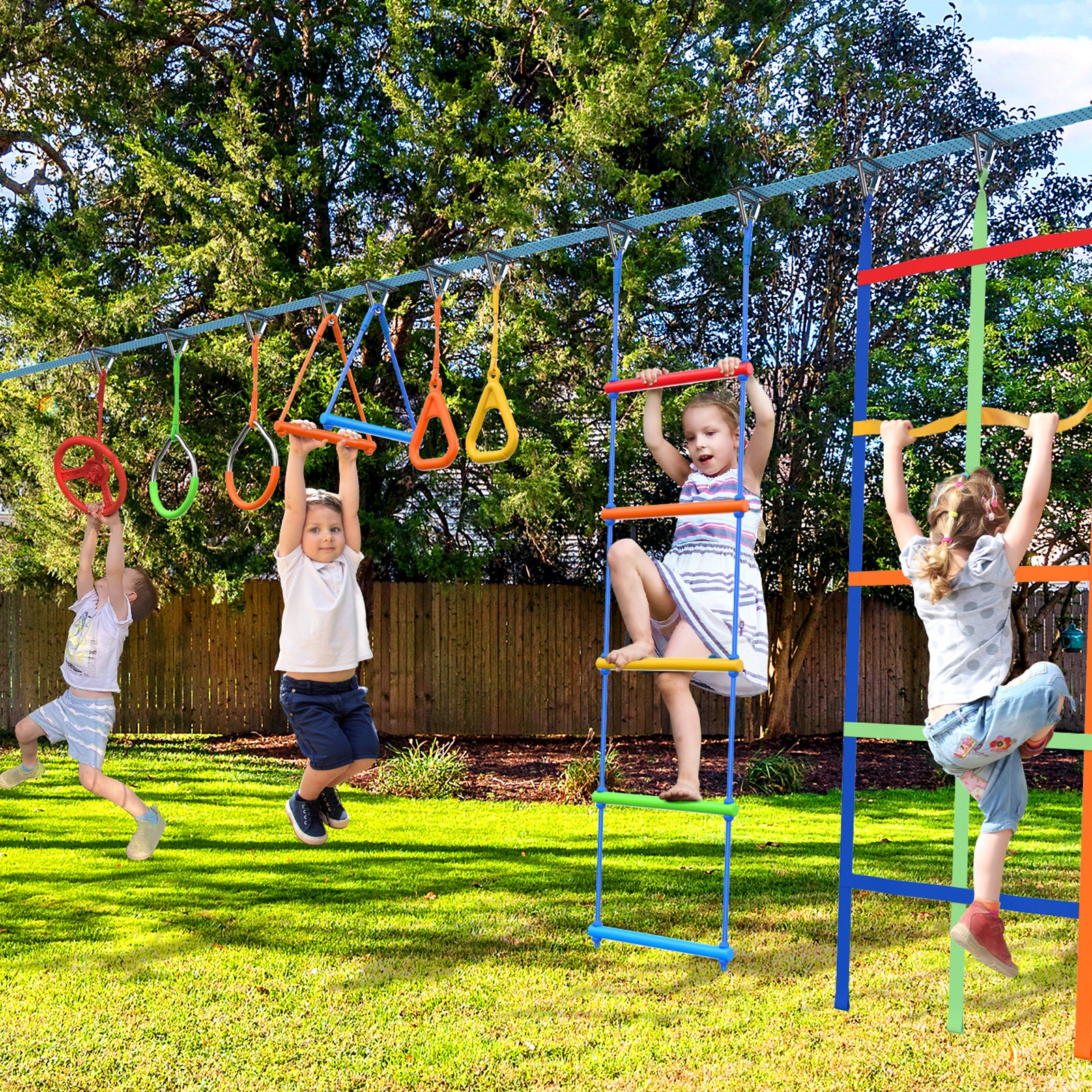
Obstacle courses come in various forms, each tailored to different skill levels and objectives. Traditional military-style courses focus on developing strength and endurance, often featuring walls, ropes, and mud pits that require brute force and determination. On the other hand, family-friendly courses are designed for recreational entertainment, incorporating fun elements like inflatable obstacles and clown-themed challenges that appeal to kids and adults alike. For those seeking competition, specialized OCR events provide meticulously crafted courses that test agility, speed, and strategy, pushing athletes to their limits while encouraging a vibrant community atmosphere.
Training for Success
To excel in obstacle course racing, participants must engage in a well-rounded training regimen that enhances strength, flexibility, and cardiovascular fitness. Incorporating exercises like climbing, crawling, and jumping into workouts can simulate the challenges faced during competition. Additionally, joining local training groups or classes, such as the Obstacle Course In San Antonio, can provide valuable tips and motivation through community support. Emphasizing both physical preparation and mental resilience can significantly boost performance on the course, ultimately leading to greater achievements and a deeper appreciation for this exhilarating sport.
In conclusion, obstacle courses present a thrilling and enriching way to engage in physical activity, fostering not only personal growth but also building community connections among participants. The combination of challenge and fun encourages individuals to push their limits, develop resilience, and celebrate progress, regardless of their starting point. As more people embrace this engaging pursuit, the diverse range of courses continues to expand, catering to all ages and fitness levels. Whether for competition or recreation, obstacle courses offer a memorable experience that transcends mere physical exercise, becoming a journey of discovery and empowerment as individuals conquer challenges and celebrate each accomplishment along the way.