




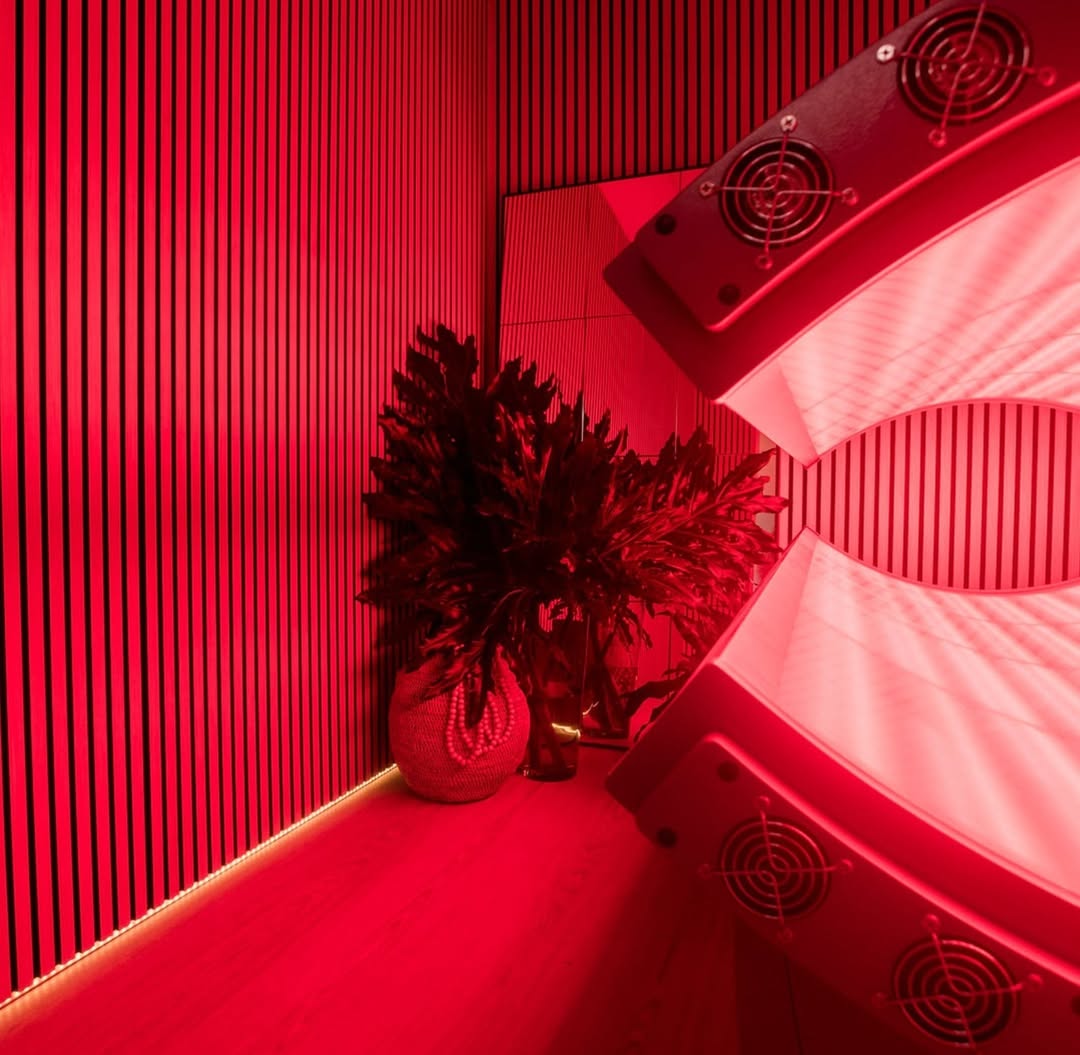
Red light therapy (RLT) has emerged as a groundbreaking treatment modality that harnesses the power of low-level wavelengths of light to promote healing, reduce inflammation, and enhance overall wellness. Leveraging the natural benefits of light, this non-invasive therapy has gained traction among health enthusiasts, athletes, and those seeking alternative therapeutic options. With an increasing body of research supporting its efficacy, red light therapy is being explored for a variety of applications, from skin rejuvenation to pain management.
This article delves into the science behind red light therapy, examining its mechanisms of action and the numerous benefits it offers. As we explore the potential applications and effectiveness of this innovative treatment, we invite you to discover how red light therapy could revolutionize your approach to health and well-being, offering a glow of promise in a world increasingly focused on natural healing solutions.
Mechanisms of Action
Red light therapy functions primarily through the process of photobiomodulation, where specific wavelengths of light stimulate cellular processes. This interaction promotes increased production of adenosine triphosphate (ATP), the energy currency of cells, which enhances their metabolic activity and contributes to faster healing and tissue repair. Additionally, RLT has been shown to reduce oxidative stress and inflammation, further supporting recovery from various ailments. The cellular response triggered by red light exposure not only improves skin texture and reduces signs of aging but also aids in muscle recovery, making it an appealing option for athletes and those with active lifestyles.
Applications and Benefits
The applications of red light therapy span a wide range, addressing issues from chronic pain relief to improving cardiovascular health. Research indicates that RLT can effectively reduce inflammation associated with conditions such as arthritis and tendonitis, leading to improved mobility and reduced pain. Furthermore, the red light therapy scientific evidence continues to grow, highlighting its potential in enhancing mood and promoting better sleep through its positive effects on circadian rhythms. As awareness and knowledge about these benefits expand, more individuals are likely to incorporate red light therapy into their holistic health routines.
In conclusion, red light therapy presents a promising avenue for enhancing health and well-being through its scientifically-backed mechanisms and diverse applications. As individuals increasingly seek holistic and non-invasive therapies, RLT stands out for its ability to facilitate healing, reduce inflammation, and improve overall quality of life. Whether utilized for skin rejuvenation, pain management, or to bolster athletic performance, red light therapy offers a multifaceted approach to wellness that can complement traditional medical interventions. As ongoing research continues to unveil its potential benefits, red light therapy is poised to become a staple in the realm of natural healing, encouraging a brighter and healthier future for those willing to embrace its transformative possibilities.